
How Long Does a Chimney Sweep Take?
How long a chimney sweep takes depends on access, buildup, and whether the chimney needs closer inspection. The work is complete when the flue and firebox have been checked and the sweep has addressed the buildup in scope.
Need help now? (380) 234-1398
How Long Does a Chimney Sweep Take in Practice?
There is no single visit length that fits every chimney. The sweep has to account for the chimney’s access, the amount and condition of creosote, and whether anything calls for a closer look. A clear, accessible flue with light deposits is a different job from a chimney with heavy buildup or visible damage.
The clock alone does not tell you whether a sweep is complete. The relevant questions are whether the chimney was assessed, whether the buildup was removed as agreed, and whether the sweep identified an issue that needs separate inspection or repair. We explain the work clearly and recommend only services a homeowner needs.
Which Chimney Conditions Can Add Work?
These conditions help explain why two chimney visits can take different amounts of work. Share what you have noticed when booking so the sweep has useful context.
- Access to the flue — The chimney’s layout and access points affect how the sweep can reach the full flue. Tell the sweep whether you know of a blocked or hard-to-reach area.
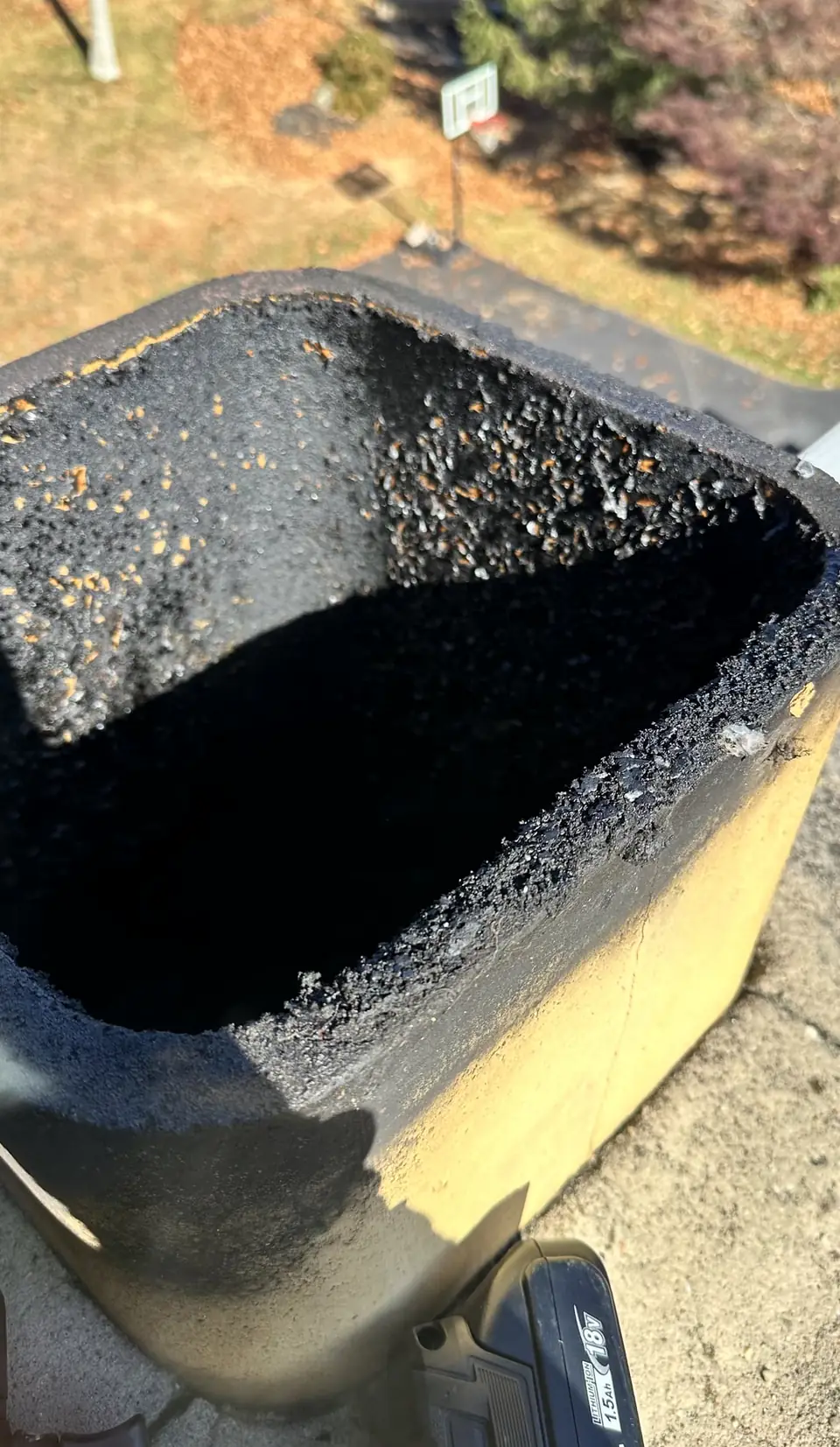
- Creosote buildup — Dry, loose soot differs from thick or glazed deposits. The amount and condition of the buildup can change the cleaning work required.
- Signs of a separate problem — Smoke entering the room, damaged masonry, or a damper that does not move properly may call for evaluation beyond routine sweeping.
- A request for inspection — A sweep and a chimney inspection answer different questions. Tell the company about recent changes to the appliance or chimney so the needed inspection can be considered.
Does Your Fireplace Need Sweeping, Inspection, or Both?
Sweeping removes deposits; inspection assesses the chimney’s condition. One does not automatically replace the other, so describe the symptom or concern rather than asking only for a time estimate.
Choose sweeping for deposits
A chimney sweep is the right service to ask about when creosote or soot needs removal. The scope depends on the chimney and what the assessment reveals.
Choose inspection for condition questions
Ask about a chimney inspection when you need the flue, fireplace, or chimney components evaluated for damage or safe operation.
Ask whether both are needed
Smoke entering the room, a change to the heating appliance, or a concern about damage can make cleaning alone an incomplete answer. Explain the issue so the recommended scope addresses it.
Need help now? (380) 234-1398
What Happens During a Careful Chimney Sweep?
The exact work depends on the chimney and the agreed scope. A careful process uses the right access and cleaning tools, then checks whether visible deposits or concerns remain.
- Describe the fireplace and concern — Tell the sweep whether you burn wood or use another appliance, and mention smoke, odors, or visible deposits. Check that the service being scheduled matches the appliance and the problem.
- Look over the firebox and damper — The firebox and damper provide access toward the flue. Point out a damper that sticks, does not close, or appears damaged so it is not mistaken for a cleaning issue.
- Assess the flue and visible buildup — A flashlight and visual check can show deposits or an obstruction in areas that are visible. Ask whether a concern needs a closer inspection rather than assuming a basic view settles it.
- Set up protection and access — A drop cloth and suitable containment help protect the area around the fireplace during work. Check that the setup covers the path and work area before cleaning begins.
- Brush the flue with appropriate tools — A chimney brush and extension rods are common tools for loosening deposits from the flue. The brush must suit the flue; check that the work is directed at the chimney’s actual surface and buildup.
- Collect loosened soot and debris — A vacuum designed for fine ash or another suitable collection method can capture loosened material. Check the firebox and protected area for debris when this stage is finished.
- Review what remains and what was found — The sweep should distinguish cleaning results from damage or other concerns that need separate work. Ask what was cleaned and whether any finding changes the next step.
When Is Creosote More Than a Timing Question?
Creosote forms as wood smoke cools inside the chimney. A dark, shiny or tar-like deposit is not the same as a light dusting of soot, and thick buildup can be harder to remove. The Chimney Safety Institute of America describes 1/8 inch of creosote as a threshold for sweeping; its homeowner resources also discuss chimney inspection and maintenance.
Do not scrape deposits from inside the flue yourself or climb onto the roof to estimate their depth. Stop using the fireplace if smoke spills into the room or you see a concerning deposit, then arrange an evaluation by a chimney sweep service. Tell the sweep what you observed and when it occurs.
When Should You Request More Than Chimney Cleaning?
A sweep removes deposits; it does not by itself repair cracked masonry, a damaged liner, a faulty damper, or a leak. If you see loose brick, water marks near the chimney, a damper that will not operate, or smoke coming back into the home, describe that exact sign when you arrange service.
A chimney inspection is also worth asking about after a change to the appliance or a concern about damage. CSIA’s guidance describes circumstances in which a more detailed inspection is recommended, including appliance changes, relining, and certain events affecting the chimney. The right next step depends on what happened and what the chimney shows.
Need help now? (380) 234-1398
What Should You Share When Booking a Chimney Sweep?
Give the company the appliance type, the last time the chimney was swept if you know it, and the reason you are booking. Mention smoke, odor, visible creosote, water entry, a stuck damper, or recent changes to the fireplace; those details help distinguish a cleaning request from a need for inspection or repair.
Ohio Chimney and Fireplace serves Columbus and towns in the Columbus, Cincinnati, and Dayton metro areas. To book, call (380) 234-1398 or use the contact page. For a price breakdown rather than a visit-time guide, see how much a chimney sweep costs in Columbus.
Frequently asked questions
Can a chimney inspection replace a chimney sweep?
No. An inspection evaluates the chimney’s condition, while sweeping removes soot and creosote. Tell the sweep what concern you want addressed so the scheduled work matches the need.
Does heavy creosote change how much work a sweep needs to do?
Yes. Thick or glazed deposits can require more attention than light soot, and the condition of the buildup affects the cleaning scope. Mention any dark, shiny deposits when arranging service.
Should I use the fireplace if smoke comes into the room?
Stop using it until the cause has been evaluated. Smoke entering the home can point to a draft, blockage, or other chimney problem, so describe when it happens when you request service.
What should I tell Ohio Chimney and Fireplace when I book?
Share the appliance type, the symptoms you noticed, and any recent change to the fireplace or chimney. You can call (380) 234-1398 or send the details through the contact page.
Book a Chimney Sweep
Call Ohio Chimney and Fireplace at (380) 234-1398 or send your fireplace details through the contact page.