
Why Is a Chimney Sweep So Expensive?
The answer to “why is a chimney sweep so expensive” is that labor, access, creosote buildup, and inspection needs vary by chimney. Our chimney cleaning starts at $89, and we explain the recommended work before proceeding.
Need help now? (380) 234-1398
Why Is a Chimney Sweep So Expensive When the Work Varies?
A chimney sweep is not always a single brush pass. The amount and type of creosote, access to the flue, the fireplace or stove connected to it, and the need to inspect beyond the visible firebox can all change the work involved.
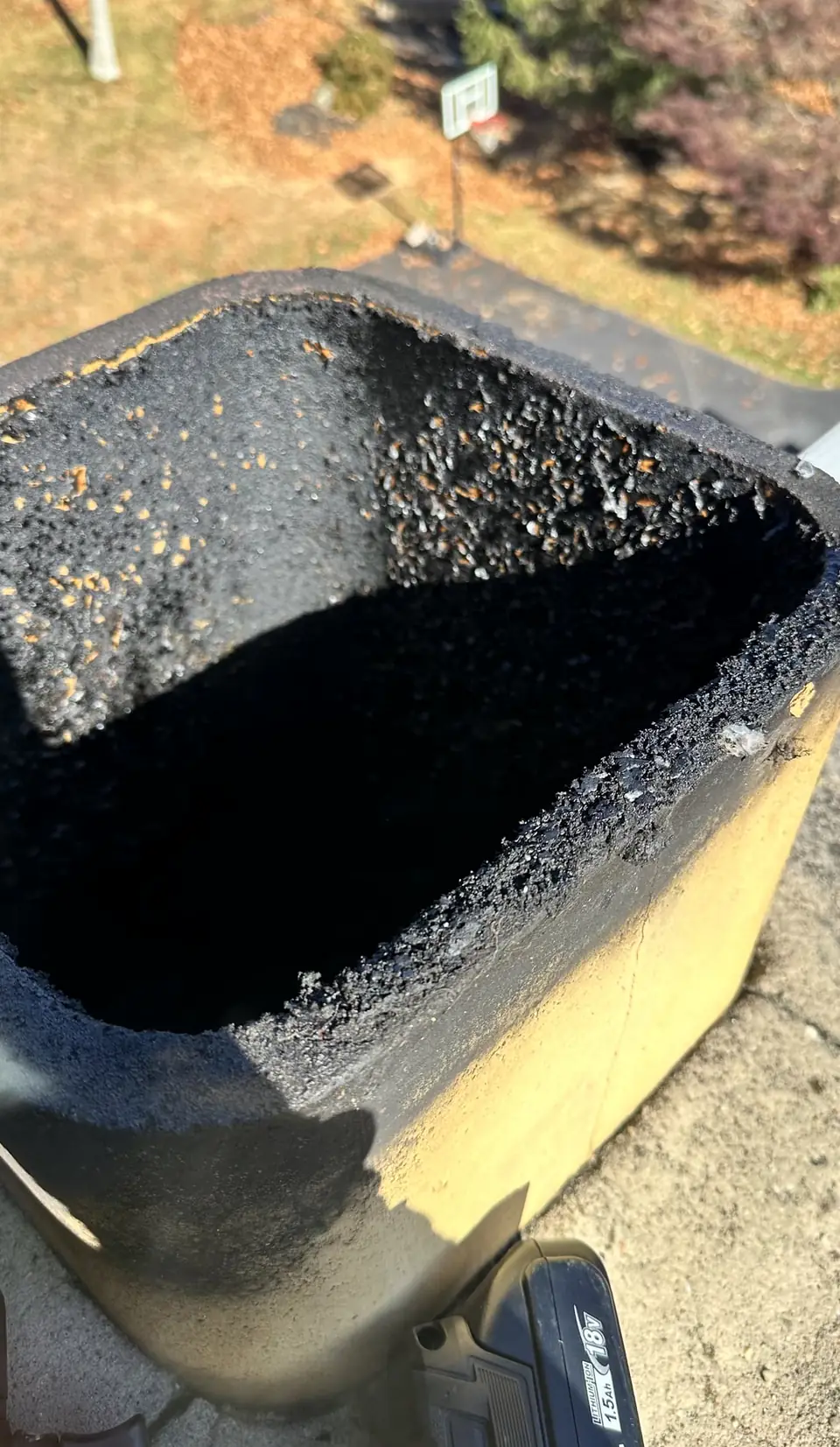
Creosote forms as smoke cools inside the chimney. A light, flaky deposit is different from a thick or glazed layer, which can take more effort to remove. The Chimney Safety Institute of America says sweeping is recommended when creosote reaches 1/8 inch; its homeowner resources also explain why regular inspection matters.
The starting price for a sweep is only a starting point, not a promise that every chimney needs the same work. Garrett Sullivan, the owner of Ohio Chimney and Fireplace, has 16 years of experience with chimneys and fireplaces, and we explain the work clearly before recommending services.
Which Chimney Conditions Add Work to a Sweep?
Light, loose deposits
A routine sweep may address soot and loose creosote in an accessible flue. The amount of buildup and the chimney’s configuration still affect the labor.
Thick or glazed creosote
A hard, shiny layer can resist ordinary brushing. A sweep needs to assess the deposit and determine an appropriate removal method rather than treating every flue the same way.
Difficult access
The chimney’s height, roof pitch, cap, and flue layout can affect how safely a professional reaches and works on the system. Don’t climb onto the roof to inspect these parts yourself.
A separate inspection or repair
Cleaning removes deposits; it does not repair a damaged liner, crown, damper, or flashing. If a defect is found, that work is a separate scope from sweeping.
Which Chimney Service Fits the Problem You See?
- Soot or creosote in a wood-burning flue — A chimney sweep or cleaning addresses deposits that can collect as wood smoke moves through the flue. Tell the sweep what fuel you burn and how the fireplace has been operating.
- A concern about damage or a change to the system — An inspection checks the chimney and connected appliance rather than just removing deposits. A change in appliance, a sale, relining, or a fire or weather event can call for a Level 2 inspection; the CSIA’s Level 2 inspection procedure describes when a video scan is required.
- A visible defect or water entry — A cracked crown, loose masonry, damaged flashing, or leak may need repair instead of—or in addition to—cleaning. A sweep can identify when the concern needs a repair assessment.
- A gas fireplace or gas appliance — Gas systems have different venting and service needs from a wood-burning fireplace. Describe the appliance and its symptoms when booking so the work can be matched to the system.
Need help now? (380) 234-1398
How Can You Check Whether a Sweep Recommendation Fits?
- Identify the appliance — Note whether the fireplace or stove burns wood, gas, or pellets. Check the appliance label or manual if you are unsure, and share the fuel type when you book.
- Describe what you noticed — Write down smoke entering the room, a strong odor, poor draft, or debris in the firebox. These symptoms can point to different issues, so give the sweep the exact details.
- Let the fireplace cool — Do not handle ash, the damper, or firebox parts while they are hot. Once everything is cool, use a flashlight from the room to look for obvious debris or damage without reaching into the flue.
- Ask what the sweep includes — Clarify whether the recommendation is for deposit removal, an inspection, or both. A cleaning and an inspection answer different questions, so the scope should say which one is being done.
- Ask what finding changes the scope — If additional work is recommended, ask which part is affected—the liner, damper, cap, crown, or masonry—and what the finding means for using the fireplace. A specific component and reason make the recommendation easier to assess.
- Check whether a camera scan is relevant — A Level 2 inspection can require a video scan of the flue. Ask whether a system change, sale, relining, or fire or weather event makes that inspection appropriate.
- Keep the roof inspection professional — Do not use a ladder or walk on the roof to check a cap or chimney opening. Tell the sweep what you can see from the ground, then ask them to inspect the parts that need safe access.
- Review the recommendation before work — Make sure you understand the work being proposed and what it addresses. We explain the work clearly and recommend only services a homeowner needs.
How Does Chimney Condition Affect the Visit?
There is no single useful duration for every chimney visit. A straightforward sweep and a visit that also involves heavy deposits, difficult access, or a closer inspection require different amounts of work; ask for an estimate of the visit length based on the system and concern you describe.
A professional typically assesses the fireplace and flue, identifies the type and amount of deposits, then carries out the agreed cleaning or inspection. Afterward, ask what was found and whether any part—such as the damper, liner, cap, or masonry—needs attention beyond sweeping.
For a broader look at the service, see our chimney sweep service. For Columbus-specific pricing context, read how much a chimney sweep costs in Columbus.
When Does a Sweep Need to Become an Inspection or Repair?
Smoke enters the room
Smoke spillage can relate to draft, blockage, or appliance conditions, not just a dirty firebox. Stop using the fireplace and arrange a professional assessment instead of trying to clear the flue yourself.
The flue has hard, shiny deposits
Glazed creosote needs a professional assessment to determine the removal method. Do not scrape or chip at it from inside the fireplace.
You see loose masonry or signs of water
Debris, cracks, or recurring dampness may signal a defect that cleaning cannot correct. Share where you see the problem so the chimney can be checked for repair needs.
The appliance or chimney has changed
A new appliance, relining, or a significant event can call for a closer inspection than routine sweeping. Ask what inspection level fits the change before relying on a cleaning alone.
Need help now? (380) 234-1398
What Should You Share When Booking a Chimney Sweep?
- The appliance and fuel — Say whether you have a wood fireplace, stove, or gas fireplace. That helps identify which chimney or venting system needs attention.
- The symptom or last known service — Mention smoke, odor, visible deposits, or the last time the chimney was inspected or cleaned, if you know. These details help clarify whether you are booking a sweep, inspection, or both.
- Any recent change or event — Tell us about a new appliance, chimney work, a weather event, or a fire concern. Those details can affect whether a more thorough inspection is appropriate.
- Your address and preferred contact details — Ohio Chimney and Fireplace serves Columbus and towns across the Columbus, Cincinnati, and Dayton metro areas. To arrange service, call (380) 234-1398 or use the contact page.
What Is the Next Step After a Chimney Sweep Cost Concern?
Ask for the recommended work to be tied to a specific finding: deposits in the flue, a concern with access, a need for a video inspection, or a damaged component. That makes it easier to distinguish cleaning from inspection or repair and to understand what each part of the work addresses.
If you are deciding whether to book, share the appliance type, symptoms, and any recent changes with Ohio Chimney and Fireplace. We are open 24 hours a day, 7 days a week, and explain the recommended scope before proceeding.
Frequently asked questions
What does a chimney sweep usually include?
A sweep focuses on removing soot and creosote from the chimney passage. Inspection is a separate task that checks the condition of the system, so ask whether the work you are booking includes both.
Does heavy creosote make chimney cleaning cost more?
It can add work because thick or glazed deposits may take more effort to remove than loose soot. A professional should assess the deposit and explain the method and scope before proceeding.
How long does a chimney sweep visit take?
The time depends on the chimney’s access, deposit level, and whether an inspection or additional assessment is needed. Describe your appliance and any symptoms when booking so the expected visit length can be based on your situation.
Should I book a sweep or an inspection?
Book a sweep when the concern is soot or creosote buildup; choose an inspection when you need the chimney’s condition assessed or there has been a system change or significant event. Some situations call for both, so explain what you have noticed before the appointment.
Get a Clear Chimney Sweep Recommendation
Share your appliance type and what you have noticed. Call (380) 234-1398 or use our contact page to arrange service.