
Are Chimney Sweeps Worth It for Your Home?
Yes, chimney sweeps are worth it when you use your fireplace: sweeping removes soot and creosote that can build up in the flue, while an inspection checks the chimney’s condition. We help you tell which service fits the issue you’re seeing.
Need help now? (380) 234-1398
Why Chimney Sweeps Are Worth It for a Wood-Burning Fireplace
Burning wood leaves soot and creosote inside the chimney. Creosote can ignite, and a fire in the chimney can damage masonry or a factory-built chimney. A sweep removes deposits; it does not make a damaged chimney safe by itself, which is why cleaning and inspection answer different questions.
The Chimney Safety Institute of America (CSIA) advises homeowners to have chimneys inspected annually and swept when deposits reach 1/8 inch or more, or when there is glazed creosote. Its homeowner guidance on chimney inspections and sweeping explains these maintenance points. The value is in addressing buildup and spotting a condition that calls for more than cleaning—not in assuming every chimney needs the same work.
When a Chimney Sweep Is Worth Booking
Look at how you use the fireplace and what you can safely see from inside the home. A flashlight can help you check visible surfaces, but it cannot show the full flue or replace a professional inspection.
- You burn wood regularly — Wood fires leave deposits as they burn. Have the chimney inspected each year, then sweep when the inspection finds enough soot or creosote to call for cleaning.
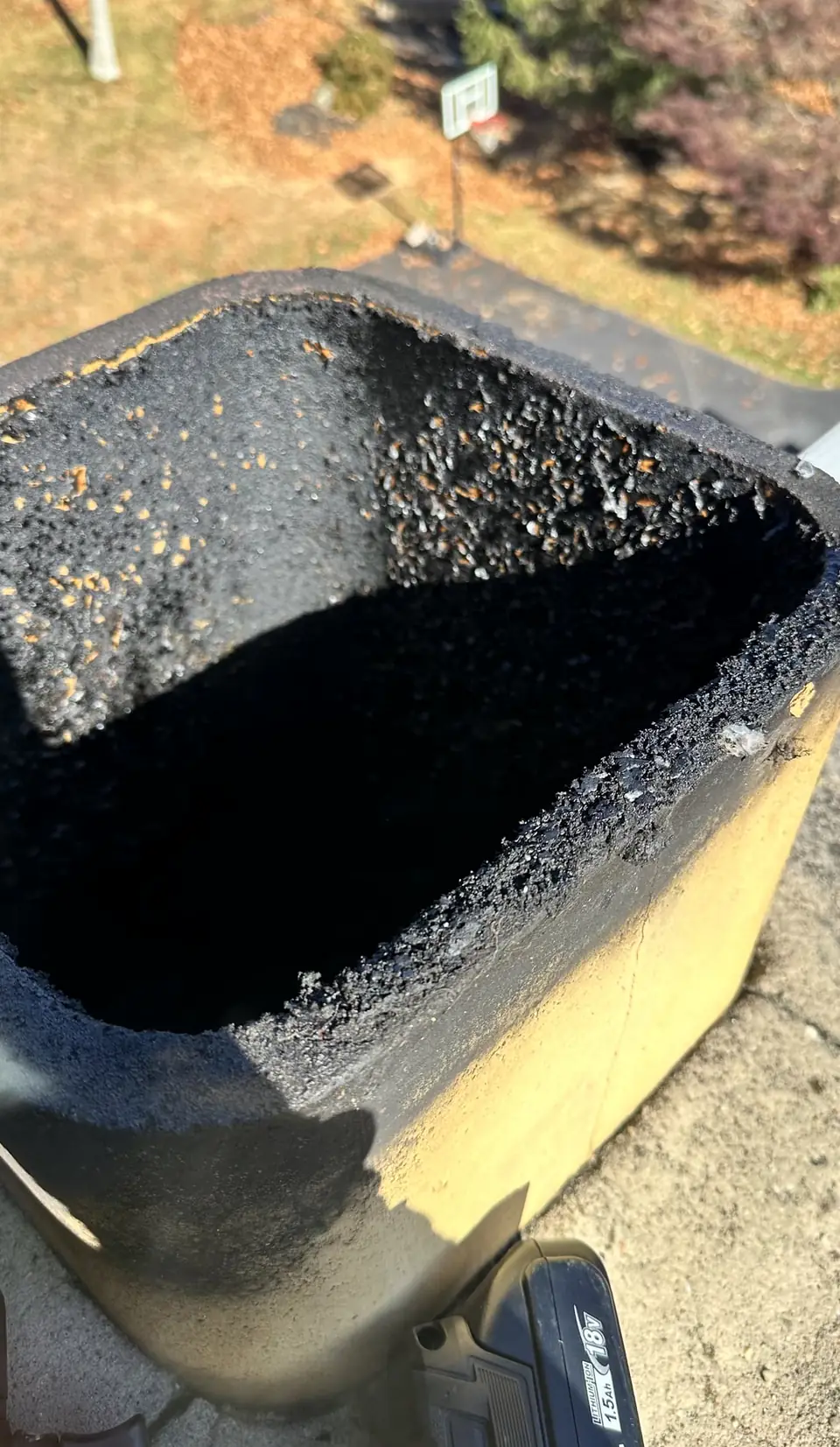
- You see dark, flaky or shiny buildup — Visible deposits are a reason to arrange an inspection and ask whether sweeping is needed. Do not try to judge buildup deep in the flue from the fireplace opening.
- Smoke or a strong smoky odor enters the room — Stop using the fireplace until the cause is checked. Buildup can be one factor, but a blocked flue or another problem may also need attention.
- The chimney has had a fire or significant weather event — Cleaning alone may not reveal damage. CSIA’s Level 2 inspection guidance identifies a chimney fire and weather events among reasons for a more detailed inspection, including a video scan.
Which Chimney Service Is Worth Paying For?
Choose the service that addresses the problem, rather than treating sweeping, inspection and repair as interchangeable. Our services include chimney sweeping, chimney inspection and chimney repair; we explain the work and recommend only services a homeowner needs.
Chimney sweep or cleaning
Choose cleaning when an inspection or visible buildup indicates soot or creosote needs removal. A sweep addresses deposits; it does not correct cracks, damaged components or a poor draft by itself.
Chimney inspection
Choose an inspection when you need to know the chimney’s condition, such as before regular use or when you notice a change. An inspection assesses the system; cleaning is performed when deposits call for it.
Repair
Repair fits a confirmed defect, not ordinary soot buildup. Ask what part is damaged and how the proposed repair addresses that finding before authorizing extra work.
A more detailed inspection
A chimney fire, weather event, appliance change, relining or home sale can call for a Level 2 inspection. The CSIA guidance specifies a video scan for this inspection level, which lets the interior be checked beyond what is visible at the opening.
Need help now? (380) 234-1398
How to Decide Whether Your Fireplace Needs a Sweep
Use this safe sequence to gather useful details before booking. Stay inside or at ground level; do not climb onto the roof or put tools into the chimney.
- Let the fireplace cool completely — Do not inspect or touch ash, grates or firebox surfaces while they are warm. Once cool, check that there are no embers before looking inside.
- Use a flashlight at the firebox — Shine the light toward the opening above the firebox and look for visible deposits or loose debris. Check only what you can see without reaching into the flue.
- Note what the buildup looks like — Record whether deposits appear dusty, flaky or shiny and tar-like. A flashlight view cannot establish how much buildup is higher in the chimney, so use the note to describe the concern to a sweep.
- Recall how the fireplace has been working — Write down when smoke entered the room, whether the fireplace is hard to start, or whether an odor appeared. These details help distinguish a cleaning question from a draft or damage concern.
- Check visible parts from the ground — From a safe position, look for an obviously missing or displaced chimney cap without climbing or leaning out of a window. A cap issue is different from creosote buildup and may need its own service.
- Describe the system when you book — Share whether you burn wood, what you observed and whether there has been a chimney fire or weather event. Ask whether the visit should include cleaning, an inspection or both.
- Ask about scope and expected visit length — Ask what parts the sweep will clean and what the inspection covers, if one is included. The expected visit length depends on the chimney and the work involved, so request an estimate for your specific visit when booking.
What a Chimney Sweep Can—and Cannot—Tell You
Sweeping removes deposits; it does not certify that every part of the chimney is sound. A clean-looking firebox cannot show whether the liner, smoke chamber or other areas have damage or obstruction. Ask for an inspection when you need the condition assessed, especially after a chimney fire or other event that could have affected the system.
Do not use a fireplace that sends smoke into the room or has a suspected blockage until it has been checked. If you see flames or heavy smoke coming from the chimney, leave the home and call 911. For a non-emergency concern, arrange a chimney sweep service and describe the symptoms rather than trying to clear the flue yourself.
What Chimney Sweeping Costs and How to Book
Our chimney cleaning starts at $89. The final work depends on what the chimney needs, so ask what the quoted service includes before the visit; an inspection or repair is a separate service when the condition calls for it. For pricing details, see how much a chimney sweep costs in Columbus.
To book, call Ohio Chimney and Fireplace at (380) 234-1398 or contact us. Tell us whether you burn wood, what you noticed and when the fireplace was last used. Garrett Sullivan, the owner, has 16 years of experience with chimneys and fireplaces, and we explain the work clearly before recommending a service.
Need help now? (380) 234-1398
Frequently asked questions
How often should I have my chimney inspected or swept?
CSIA recommends an annual chimney inspection. Sweeping depends on what the inspection finds; its homeowner guidance calls for cleaning when soot or creosote reaches 1/8 inch or more, or when glazed creosote is present.
Is a chimney sweep the same as a chimney inspection?
No. Sweeping removes soot and creosote, while an inspection checks the chimney’s condition. You may need one or both, depending on deposits and what the inspection finds.
Can I keep using my fireplace if I can see creosote?
Arrange an inspection and ask whether cleaning is needed before continuing to use it. Deposits visible from the firebox do not show the condition of the full flue.
How long does a chimney sweep visit take?
The time depends on the chimney’s condition and the work needed, including whether an inspection is part of the visit. Ask for an expected visit length when you book and describe what you have seen so the estimate fits your situation.
Ready to Check Your Chimney?
Tell us what you’ve noticed and whether you use the fireplace. Call (380) 234-1398 to book a chimney sweep or inspection.